

Tennis Elbow Treatments: How to Reduce Pain and Rebuild Strength
The funny thing about tennis elbow… you don’t actually have to play to get it. Tennis elbow (tendinitis) is very common and the good news is, it is absolutely treatable. The bad news is that it can take a while to get on top of it.
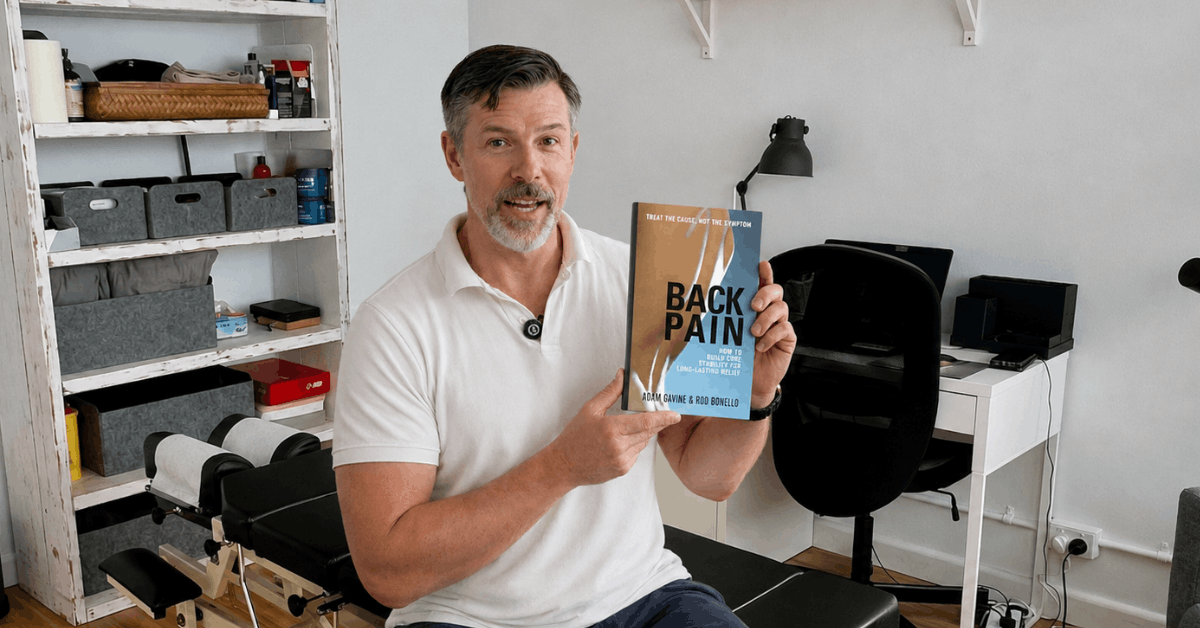
Back Pain, Ten Years On - Book By Adam Gavine Review
Back Pain is a 248-page illustrated self-help and rehabilitation guide written by Dr Adam Gavine and Dr Rod Bonello. It combines accessible spinal anatomy, discussion of common back-pain presentations, an overview of diagnostic and treatment approaches, advice on choosing a practitioner, and photographed rehabilitation exercises that can be performed at home.

What is Shockwave Therapy and How Does It Work?
Shockwave therapy is one non-invasive treatment that may be considered for selected musculoskeletal conditions, particularly when symptoms have persisted despite an appropriate period of conservative care. However, the term “shockwave therapy” is used for several technologies, and the evidence is not equally strong for every condition.

Winter Wellness Tips for Better Movement, Sleep and Energy
Cold mornings and shorter days can make an active routine harder to maintain. An early walk becomes less appealing, evening training competes with a warm home, and wet weather can disrupt outdoor plans. Some people also notice more stiffness, reduced energy or changes in mood during winter.

Achilles Tendinopathy Treatment: A Recovery Guide By Dr. Gavine, DC
Pain at the back of the ankle can turn an ordinary walk, run or trip up the stairs into an uncomfortable experience. Achilles tendon symptoms frequently begin with morning stiffness or discomfort at the start of exercise. The pain may improve as you warm up, only to return later that day or the following morning.
Chiropractic Maintenance Care & Ongoing Treatment Evidence
Your original pain has improved, normal activities feel easier and you have returned to work, exercise or sport. Your chiropractor then asks whether you would like to discuss maintenance care. Is ongoing treatment worthwhile, or should you simply return if the problem comes back?

Dos and don'ts of spinal health
Most people do not think much about spinal health until their back becomes painful, stiff or difficult to move. At that point, every posture, chair, lifting technique and exercise can begin to feel like a potential threat.
The reassuring reality is that the spine is a strong, adaptable structure designed to bend, rotate and carry load. Looking after it does not require keeping your back perfectly straight or avoiding every demanding movement.
Useful spinal health tips are generally less about finding one “correct” posture and more about maintaining regular movement, developing physical capacity, managing sudden changes in activity and paying attention to recovery.

Lower Back Pain Treatment: Why the Answer May Extend Beyond Your Back
Lower back pain can make even simple movements feel difficult. Bending to put on your shoes, getting out of a chair, walking along the beach or returning to the gym may suddenly require far more thought and effort than usual.
When pain is concentrated in your back, it is natural to assume that the back itself must be the only problem. However, effective lower back pain treatment often requires a broader view.
Your lower back does not function in isolation. Movement is shared between the spine, pelvis, hips and lower limbs. Your symptoms may also be influenced by recent changes in activity, physical capacity, previous injuries, sleep, stress and your confidence in moving.
This does not mean that “everything is connected” or that every patient with back pain has a problem elsewhere. It means the painful area is only one part of the assessment.
What Is Chiropractic?
A chiropractor assesses how your musculoskeletal system is functioning and whether changes in joint movement, muscle capacity, physical loading or movement patterns may be contributing to your symptoms.