
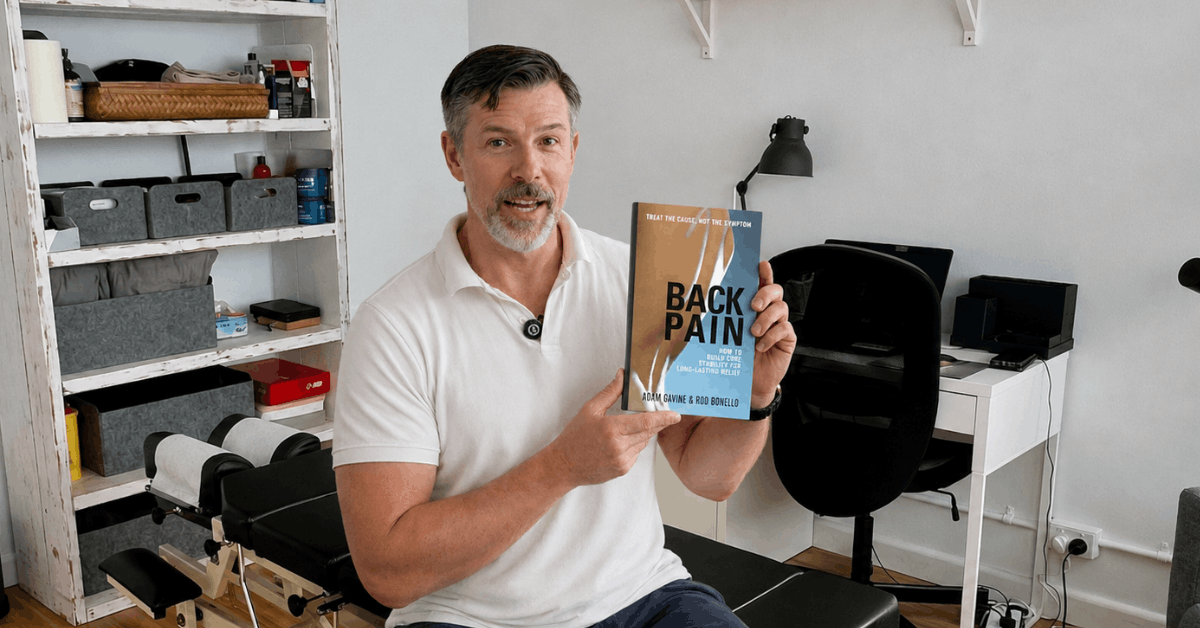
Back Pain, Ten Years On - Book By Adam Gavine Review
Back Pain is a 248-page illustrated self-help and rehabilitation guide written by Dr Adam Gavine and Dr Rod Bonello. It combines accessible spinal anatomy, discussion of common back-pain presentations, an overview of diagnostic and treatment approaches, advice on choosing a practitioner, and photographed rehabilitation exercises that can be performed at home.

Winter Wellness Tips for Better Movement, Sleep and Energy
Cold mornings and shorter days can make an active routine harder to maintain. An early walk becomes less appealing, evening training competes with a warm home, and wet weather can disrupt outdoor plans. Some people also notice more stiffness, reduced energy or changes in mood during winter.

Healthy Holiday Eating Without Restriction or Food Guilt
The Australian holiday season brings long lunches, Christmas parties, barbecues, travel and more opportunities to enjoy food with family and friends. It can also disrupt familiar routines. Meals happen later, alcohol may be more available, sleep changes and regular exercise can become harder to schedule.

How to Build a Balanced Meal for Energy and Recovery
A balanced meal does not need to be perfect, precisely measured or prepared from an expensive list of so-called superfoods. It should provide enough energy and nutrients for your daily needs, include foods you enjoy and leave you reasonably satisfied. It should also fit your culture, budget, schedule, cooking ability and level of physical activity.

How you could benefit from seeing a nutritionist and what to expect
Are you ever getting confused with all the different messages around food that are surrounding us every day? A nutritionist can help finding out what the optimal nutrition looks like for you and help you achieve your personal health goal.

Chiropractic Maintenance Care & Ongoing Treatment Evidence
Your original pain has improved, normal activities feel easier and you have returned to work, exercise or sport. Your chiropractor then asks whether you would like to discuss maintenance care. Is ongoing treatment worthwhile, or should you simply return if the problem comes back?

Biohacking Biology - How To Support The Immune System
Understand how nutrition, sleep, movement and appropriate healthcare contribute to normal immune function - and why supplements are not a shortcut.
The immune system is an intricate network of cells, tissues and organs that helps the body recognise and respond to infectious organisms and other potential threats.
It is common to see products, diets and treatments advertised as ways to “boost” or “supercharge” immunity. However, the immune system is not a battery that can simply be charged above its normal level. An overactive immune response can itself be harmful, as occurs with allergies and autoimmune conditions.

Train Smarter, Not Harder: Sports Injury Prevention
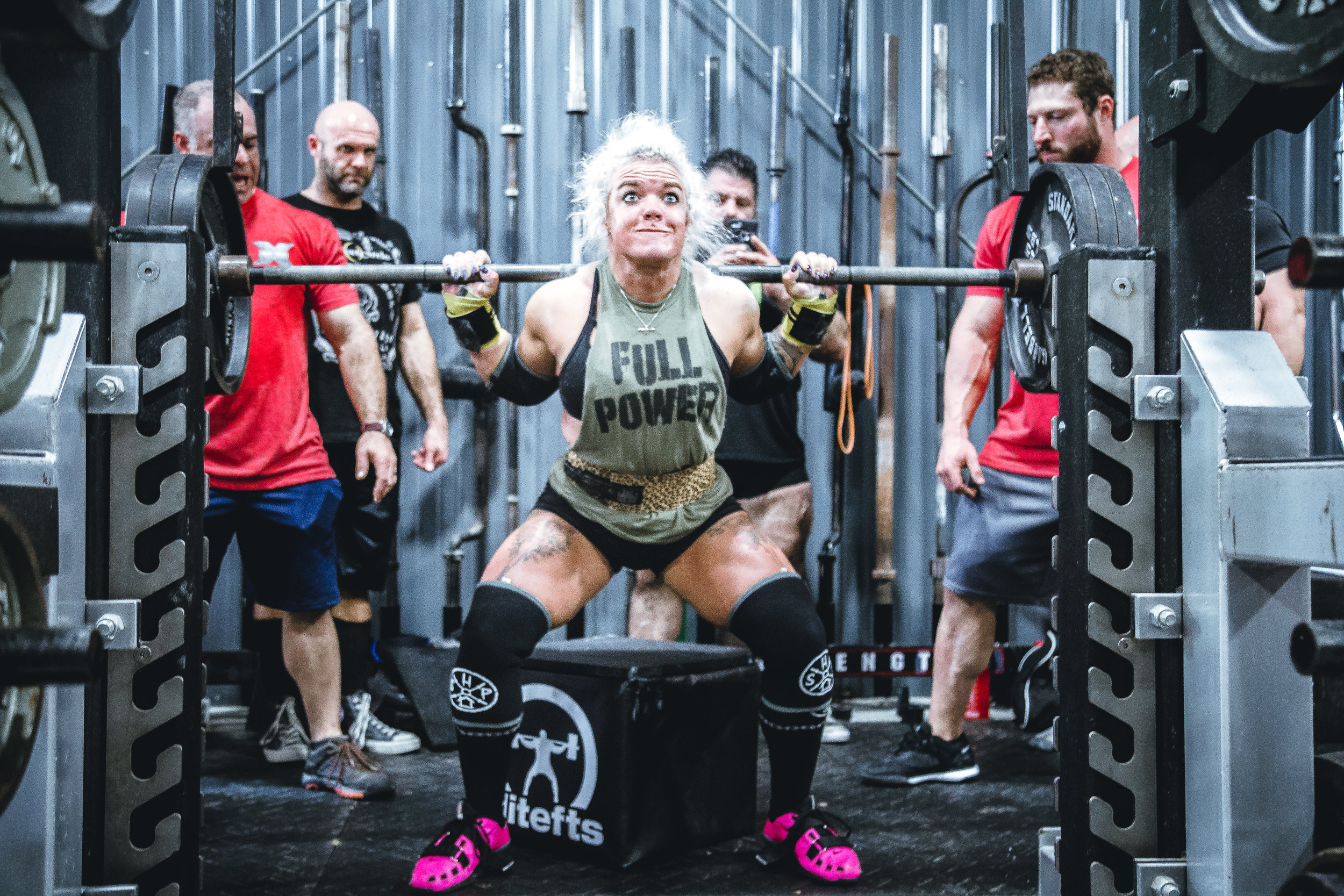
Exercise training supports mental, emotional, and physical health. However, enthusiasm can sometimes lead people to increase their training faster than their body is prepared to manage.
Perhaps you have joined a gym after several inactive months, signed up for a running event or returned to weekend sport after an extended break. The motivation is positive, but moving directly from very little exercise to frequent, demanding sessions can leave you excessively sore or contribute to an overload-related injury.

Dos and don'ts of spinal health
Most people do not think much about spinal health until their back becomes painful, stiff or difficult to move. At that point, every posture, chair, lifting technique and exercise can begin to feel like a potential threat.
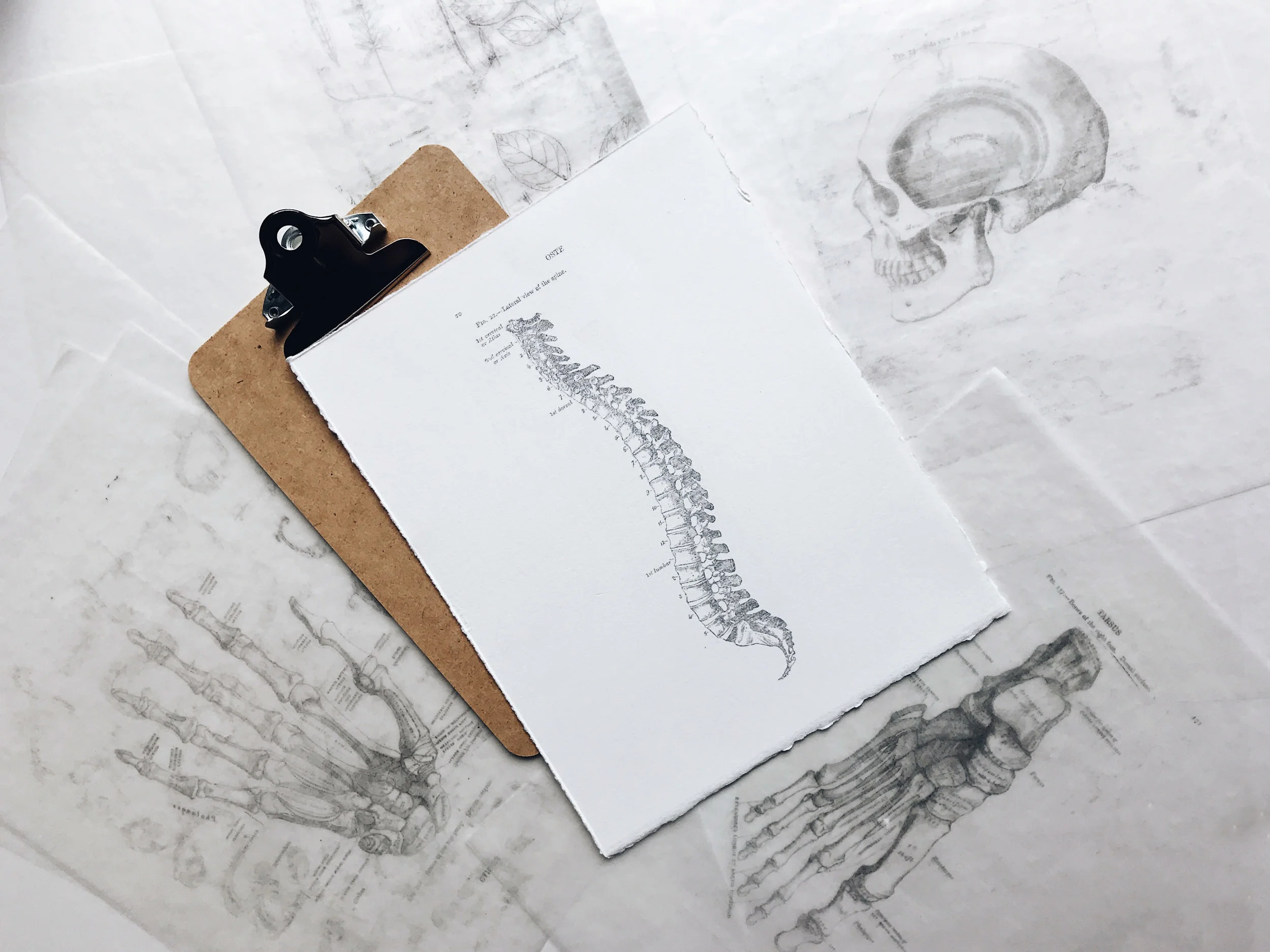
The reassuring reality is that the spine is a strong, adaptable structure designed to bend, rotate and carry load. Looking after it does not require keeping your back perfectly straight or avoiding every demanding movement.
Useful spinal health tips are generally less about finding one “correct” posture and more about maintaining regular movement, developing physical capacity, managing sudden changes in activity and paying attention to recovery.
What Is Chiropractic?
A chiropractor assesses how your musculoskeletal system is functioning and whether changes in joint movement, muscle capacity, physical loading or movement patterns may be contributing to your symptoms.